The first time Jack asked why I never had children,
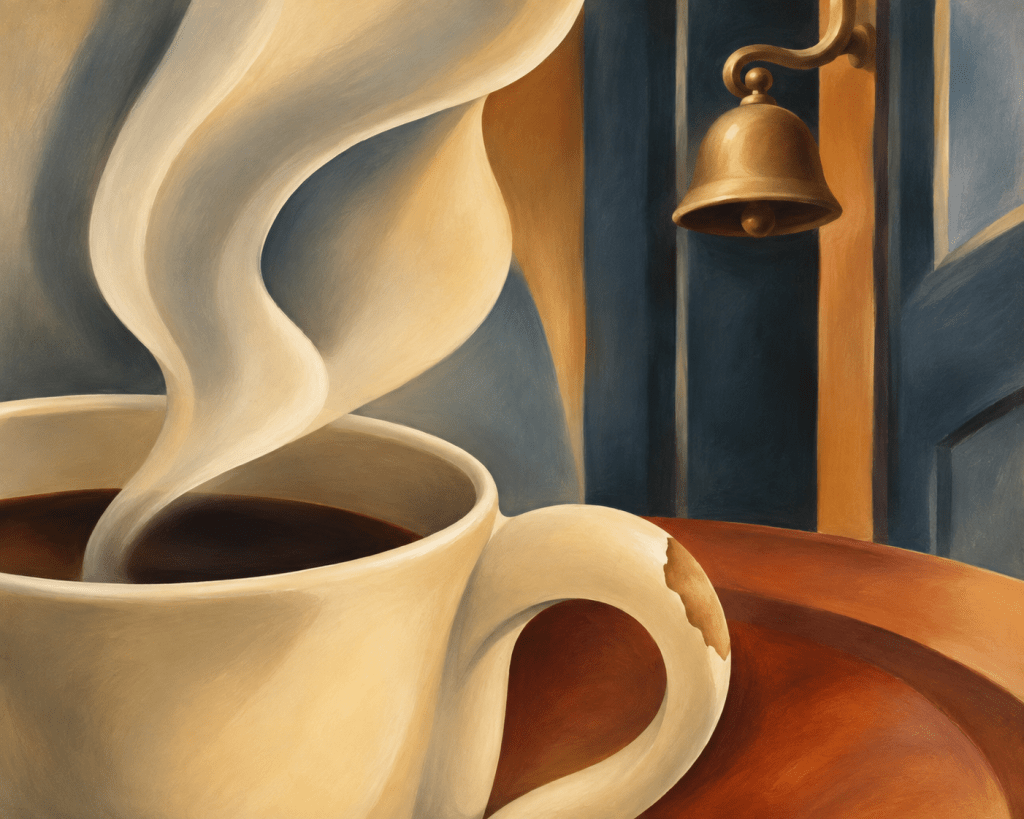
we were sitting by the front window of a little coffee shop where the floorboards bowed slightly toward the door and every time someone came in, a brass bell interrupted every conversation.
It was late November.
The kind of afternoon when the sky can’t decide whether to snow or watch the birds begin their migration for warmer states.
I remember because my coat was still on and my tea had gone untouched,
steam lifting in thin pale ribbons between us,
curling past his hands.
His cup was black.
Mine was chipped cream,
a small crescent missing from the handle where someone before me had held on too tightly or not tightly enough.
Life is that way, isn’t it?
There is more than one way to break a thing.
Outside,
a young mother pushed a stroller past the glass,
one mitten in her teeth, one shoelace loose, her little boy turned backward so he could watch something he’d already passed on the pavement but wasn’t done admiring.
Probably a bug.
Little boys tend to linger over bugs.
Then Jack asked,
Why haven’t you had children?
Not suddenly.
Not heavily.
As though he were asking whether I preferred blue to red,
or hardcovers to paperbacks,
or why I always chose the corner seat facing the door.
I smiled first.
People do that when the body is buying time.
I wrapped both hands around the mug,
felt warmth press into the center of my palms,
and said what had become second nature by then—
The Lord just hasn’t given us children. We tried for a long time. It never happened.
Jack lowered his eyes for just a moment,
thumb brushing against the folded edge of his sleeve,
as though what I’d handed him required care.
Then he looked up and smiled through two pauses and a beat.
You would have made a wonderful mother.
And something in me, quiet for years, sat up.
Or maybe tripped?
A hinge.
A draft.
A room I thought I'd already closed.
After that,
life kept happening.
Conversations that began with nothing—
music,
students,
road construction,
the shape of clouds—
and before I understood how far we’d traveled,
the man who first asked why I’d never had children
was speaking as though he already knew what ours might look like.
Months later,
there were little white pills lined up beside my bathroom sink,
half a cracker,
a glass of water,
the morning moving slowly through the blinds.
And still—
Jack spoke of blue eyes.
A crooked smile.
Long fingers.
A laugh that would sound like mine.
And somewhere between longing and nausea from the pills meant to keep her away,
our daughter had a name.
Clara.
I said it once alone in my kitchen,
bare feet on tile,
the dishwasher humming,
afternoon light moving across the counter so slowly it looked like a memory.
I stood at the glass door, watching.

Beyond the stone deck
and the birdhouse

two delicate blue eggs
lay nestled atop carefully arranged
blades of grass.

The field beyond the fence
was bright with spring.

A tree named Walter
lifted its branches into the morning.

Every tree within daily view
should have a name.

A dog bred to bear burdens
wandered lazily through the grass,

distracted by an over-dramatic cardinal

or maybe the way
the breeze had begun to smell like
spring.

The coffee in my mug tasted faintly
of hazelnut and milk.

Scrambled eggs cooled on a plate.

Cologne drifted through the kitchen.

The juice from a red grape
slid down the back of my throat.

The field was busy with singing.

Not birds alone.

Something larger.

Something hidden.

The busyness of living
moved through the grass
like wind moving through
tousled hair
or waves crossing the sea.

At the time,
I thought the field would always be there.
The eggs.
The cardinal.
Walter.
The dog.
The glass door.
The man standing somewhere behind me.

Months later
he disappeared.

Then the seasons continued
one second
one hour
one page
at a time.

Summer crossed the field.
Autumn followed.
Winter bent the grass flat.

One afternoon

I found myself standing
on the opposite side of the same field.

Far beyond the fence.

Far beyond the glass door.

Far beyond the woman
who used to stand in that kitchen
and watch.

The singing was gone.

The grass was gone.

The hill itself
seemed smaller.

Yellow machines moved through the earth

lifting,
turning,
leveling.

Steel teeth entered the ground.

Mud spread where pasture had been.

The field I remembered
was being dismantled
one scoop at a time.

A subdivision would stand there soon.

Roads.
Mailboxes.
Driveways.

Children who would never know
there had once been a field.

I watched for a long time.

Long enough for the machines
to continue their sweaty work.

Long enough to notice that
Walter was still standing.

Long enough to realize
that I was no longer looking
at the same landscape.

Or from the same place.
Or through the same eyes.

The field stretched between
what had happened

and what remained.

I stood,

watching the earth being turned over,
feeling the soil being turned over,
tasting the smoke and smothering

just a little.

"What if I take one step backward?"
I wondered.

"One more,"
I whispered.

Artifacts churned
deep and then deeper
burying and then
buried.

And I drove away
waving to Walter
in the rearview mirror.

— Iris Lennox
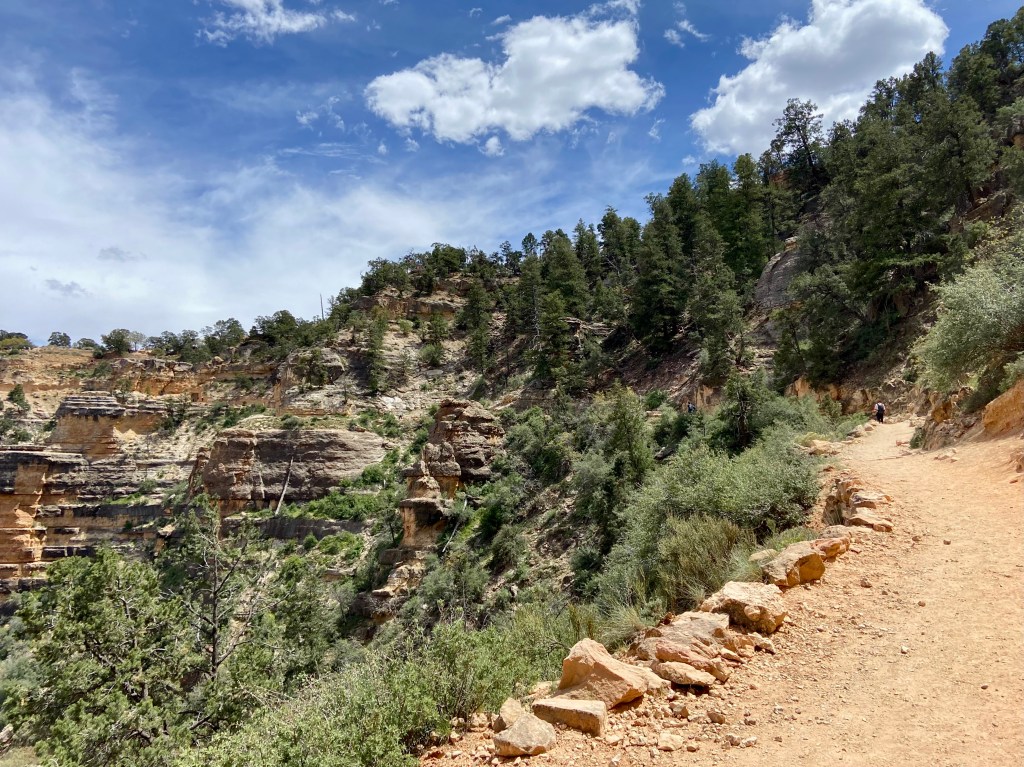
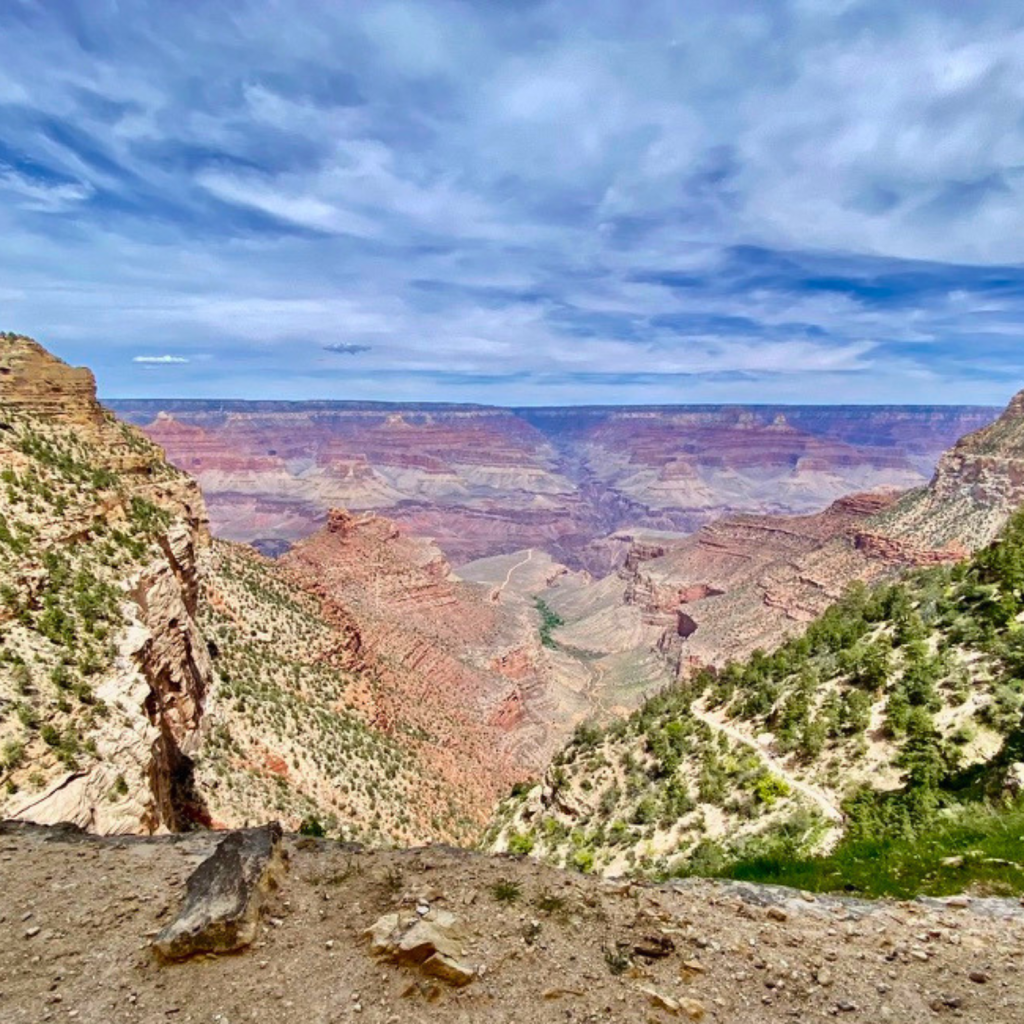
Grand Canyon landscape reflecting recurring themes of resilience, transformation, spiritual geography, and memory in the poetry of Iris Lennox.
I recently created a new page called The Poetry and Themes of Iris Lennox, which explores some of the recurring imagery, spiritual landscapes, and questions that continue to shape the work.
The page traces themes of resilience, voice, desert geography, memory, theatre, and the sacred hidden inside ordinary life. It also gathers together several poems that have become central to the collection over time.
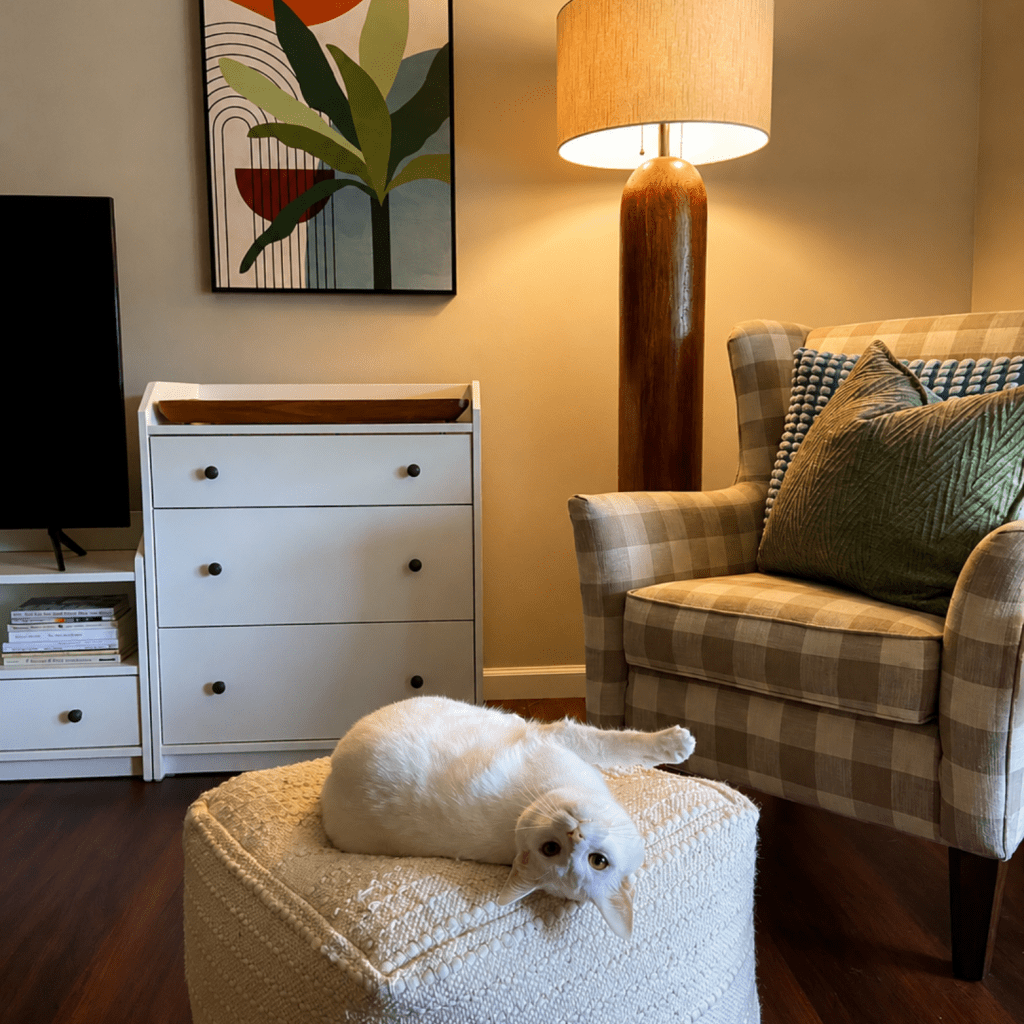
My little white cat stands at every doorway before she enters. Perhaps it is fear but I think it’s manners, and questions that steady her upon the threshold.
Is there anything here worth the risk it takes to leave the safety of the hallway, and what will I miss if I do?
No noise behind her, but I sit typing at my desk while she considers, a tiny pink nose weighing her options—
I say hello, which changes nothing, and now I weigh my kindness against her indifference as a thread moves across the floor, the air purifier beckoning it closer.
My little white cat enters not to see me but to inspect the thread and to maybe prove the room deserves her presence.
Patience by Iris Lennox
Moose Tracks are easier to eat in a bowl, but not nearly as engaging as racing to the drips spilling over the sides of my cone and knowing there are peanut butter cups gathering in the middle.
Why do the sweetest parts hide in the center?
No one eats M&Ms for the color, and you’d embarrass yourself if you dared say, “the peel is better than the orange.”
We all know some things ask to be opened— the banana from the stem, the shells at the baseball game, the foil around warm chocolate you forgot was in your pocket.
At least, for me, for today, for this moment,
all I need to do is taste sweetness with the patience of a toddler, unaware of the nature of stickiness,
and save the middle for later.
Father by Iris Lennox
He left before his first Father’s Day and mine.
But at least he left in style, with my mother’s car, all her cash, and glasses wrapped in a towel because they were worth keeping.
He worked in a bar and, from what I hear, he lived like he did.
At least that’s what strangers told me, each one carrying another adventure.
Someone up north. Another on the west coast. Then the east before he landed in Las Vegas.
The land of dreams won and lost all in the same night.
Sounds about right.
I met my father for the first time and the last one month before he died,
and every Father’s Day I try not to care.
Written in response to three words: curiosity, patience, father.
It’s a miracle when one act of communication takes place.
We take it for granted. “Hello,” and “Goodbye,” but what about the words we're not sure how to say and stubbornly try?
Every syll-a-ble we learn is from someone close by.
The voice of a friend or the first time you heard your grandma speak to your mom in a way that made sense, when she smiled so you figured you knew now what to do.
You got it. So did she. And what about him?
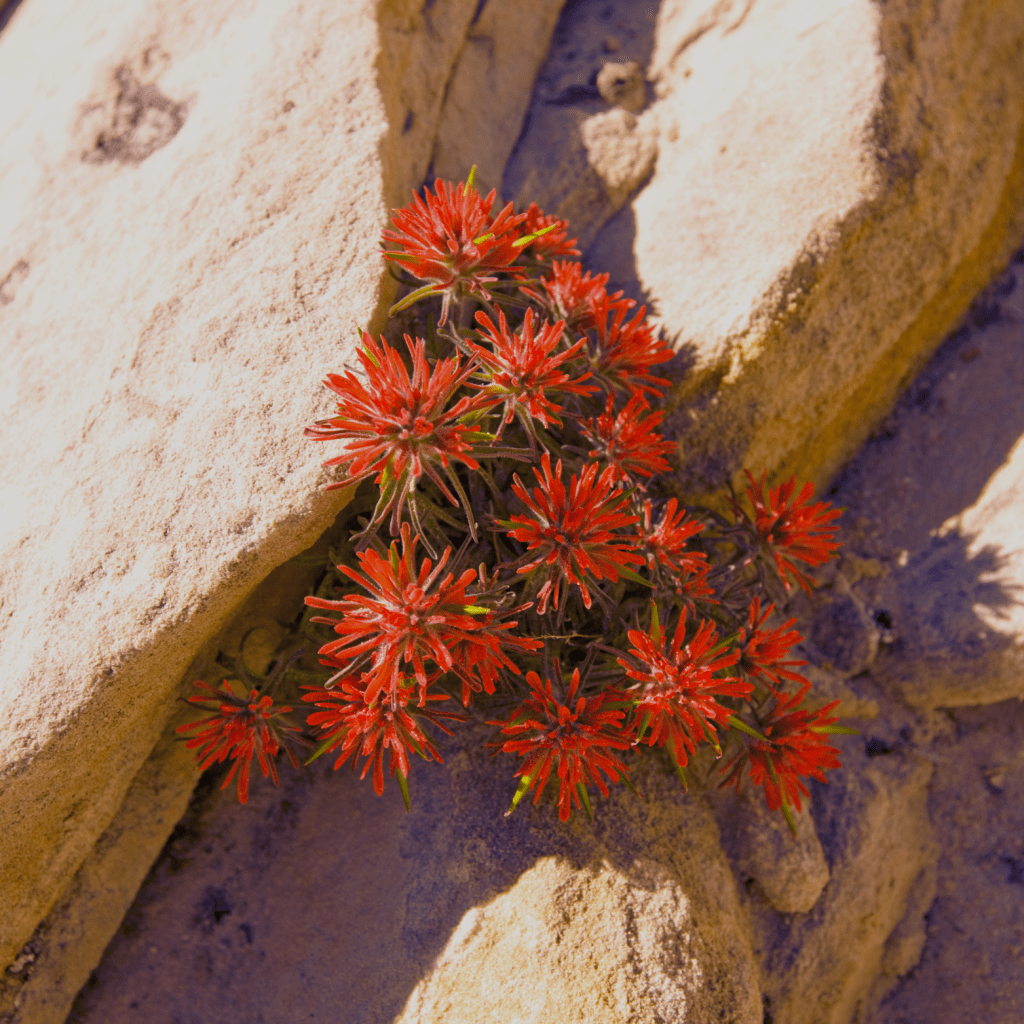
“This flower is red,” that much is true. But “This flower is soft,” could be misconstrued. “I was talking about color,” she shrugs as she sits. He insists, “A flower is petals and my first Valentine’s kiss.”
How many words for one simple thing? A moment remembered? An idea flying through?
And so you see, even flowers mislead. If they can (uh-oh) what chances do we have to receive or to give in the way
your experience taught and your family still chooses, and what of the friends that come and go, and the fights someone wins and another one loses?
Brick by brick the schema is built, and we climb to the top
and fall until
what I said is what you heard or close enough to be understood.