The things that slow us down can't be manufactured.
They have to come— arrive— without warning and before or after we're ready.
Today maybe it's a train rattling through your car and the wind it leaves behind picking up the ends of your hair and pulling you back into something some time when a train was in the distance— was it home, or something like it? When the whistle of the train—
Or a phone call where the C-word is uttered and everyone in the room collapses, but underneath. On the inside. The push and the pull of, "But wait. Just one second ago life was about this or that and now this." Or
a man catches your eye down the hall, a woman laughs with a crinkle in her nose— had it been there before? Maybe only today and then a series of wonderings when wandering is no place to stay, or
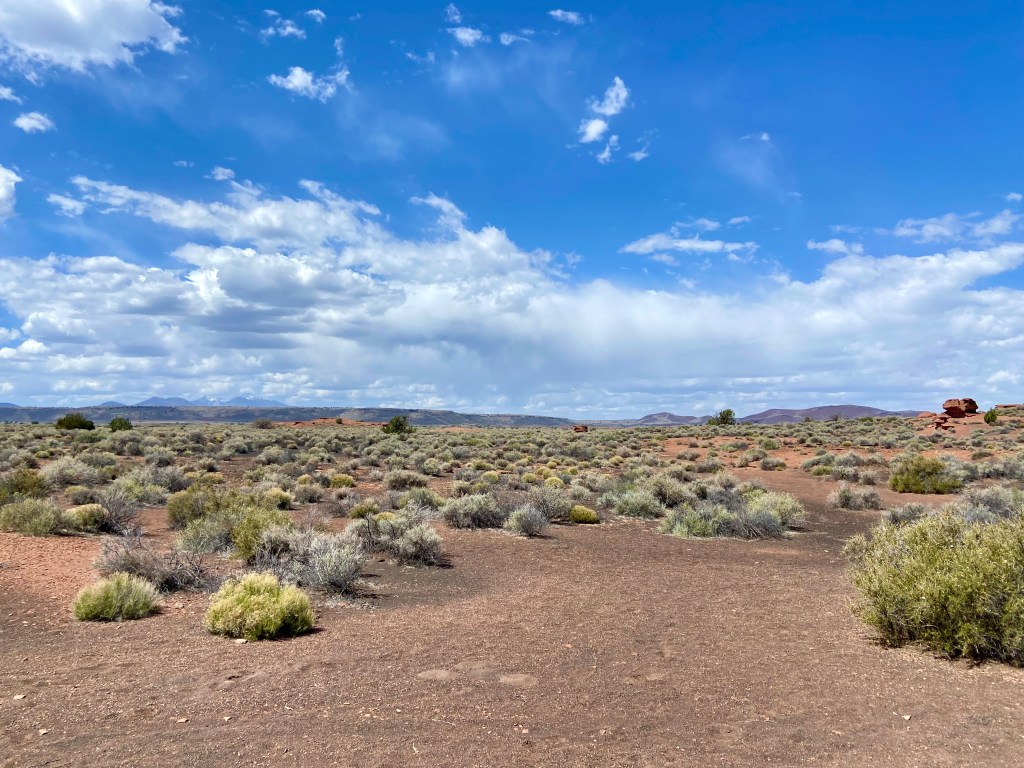
sitting on a rock in the desert not asking questions and questions begin to ask themselves in the form of prayers you couldn't hear during this morning's coffee.
When does a prayer begin and when does it end?
Where was I when I was the one who took the breath inward to address God on an exhale and why am I still breathing in one elongated breath since— when?— Was I seven? Or forty-three?
And who was I when I thought or felt or began "Dear Lord . . ."?
What is movement but our footsteps being heavier than air but lighter than we expected because the weight of now never lands until we look back.
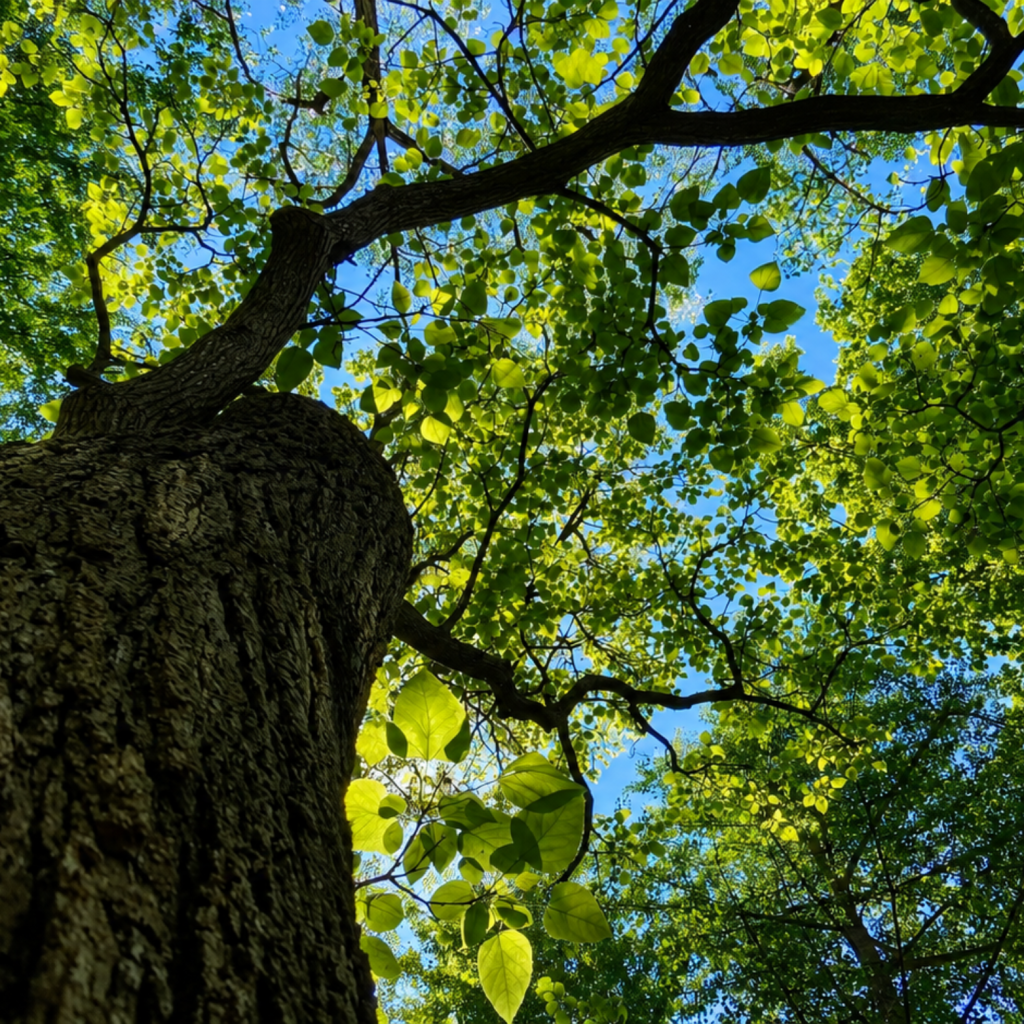
Today I looked up into the trees in a place I know well and I saw the sunlight weave itself through every leaf and all the way down, just as it has before and there was a moment when all I could do was forget where I was forget what I was thinking and maybe I breathed but who is to say
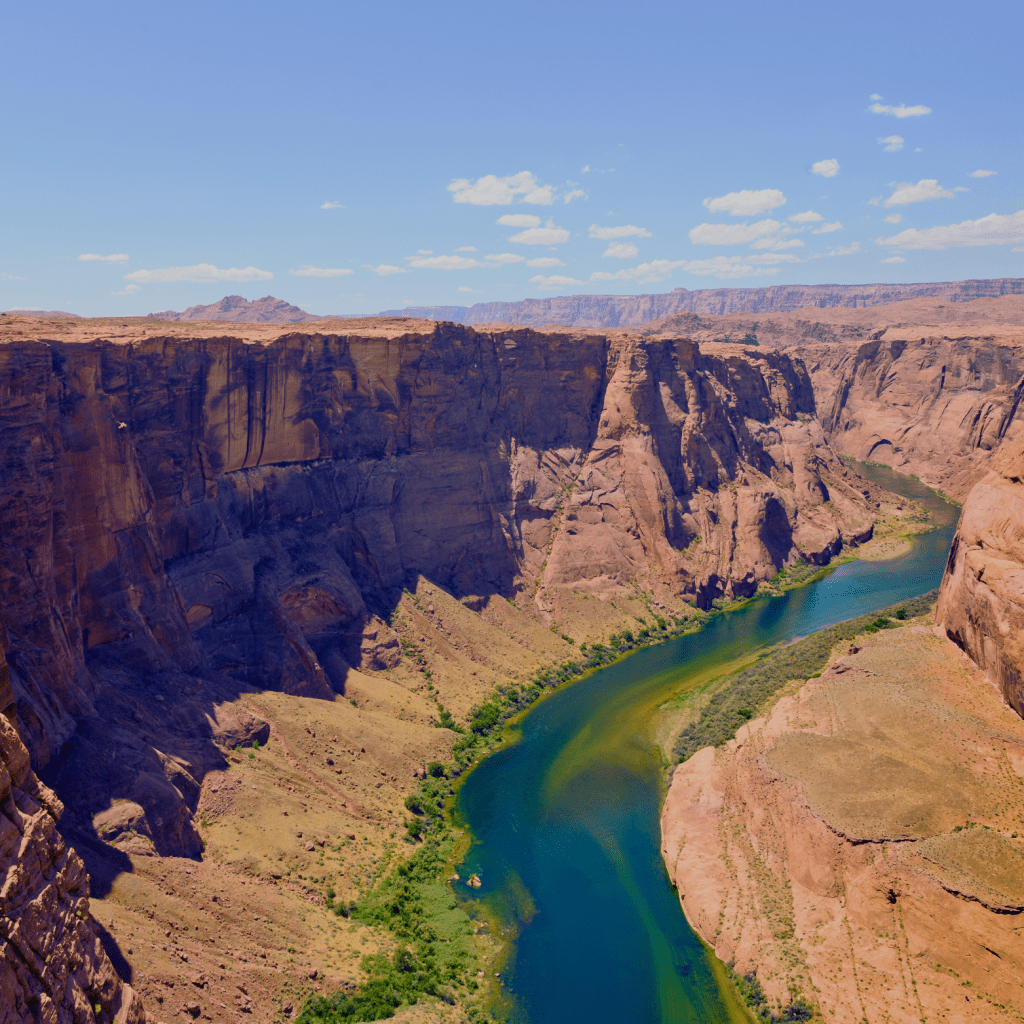
Morning lifts from the desert just before noon. I immediately regret each moment I missed— where was I when the sun rose here?
Light moves across basalt, sage, rabbitbrush, the red earth reflects warmth back into the blue.
Sunshine and earth, a love affair.
A strand of hair crosses my mouth and tickles my nose— as I swipe it away, I discover heat-burnished tenderness.
Sunshine, earth, and me— a love affair.
When I first arrived, I heard the crunch of my boots and all I brought with me. Water and ice sloshing against steel.
Also
half-finished conversations. A list. A sentence. A prayer, still wanting to know Him more.
Then the wind rises through the sage
and every branch answers.
Not all at once. Antiphonal. There must be a conductor here somewhere.
One stem, then another, then a hundred more clicking, brushing, rattling in no hurry to finish the song.
I have a feeling the song began at the beginning and will go on forever— it is a gift to hear this movement.
A Common Raven crosses low over the wash,
wings opening like someone who knows me and awaits my approach to the threshold.
Clearly, I am welcome here.
Higher still, a White-throated Swift not to be outdone cuts through the blue so quickly I hear the turn before I find the bird.
At my feet, a bee disappears into yellow rabbitbrush, comes out dusted, and goes right back in.
I'm proud of the bee and respect it enough to be a little scared, too.
Farther out, a Horned Lark drops three clean notes into the open country and flies off again. I'm struck by his boldness in speaking and not waiting— tell the truth, then let the echoes do the work.
Beauty and truth— companions from here to Kingdom come.
Even the grasshopper seems to understand.
Click. Up. Moving on. Trust.
And between all of it—
space.
Wide, sunlit, unoccupied space.
The kind that only exists here and anywhere there is desert. Around the globe but this one is mine, today.
I stand until my thoughts up. Click. Moving on. Standing still—
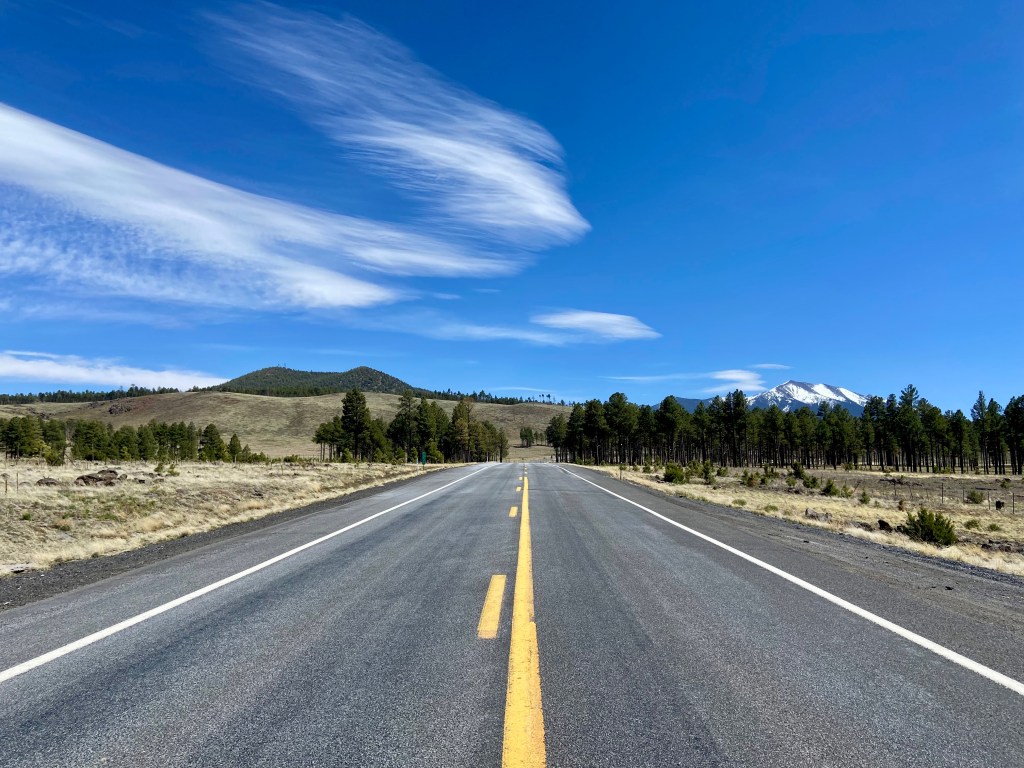
The road is empty, so naturally I walk to the center and stand on the line.
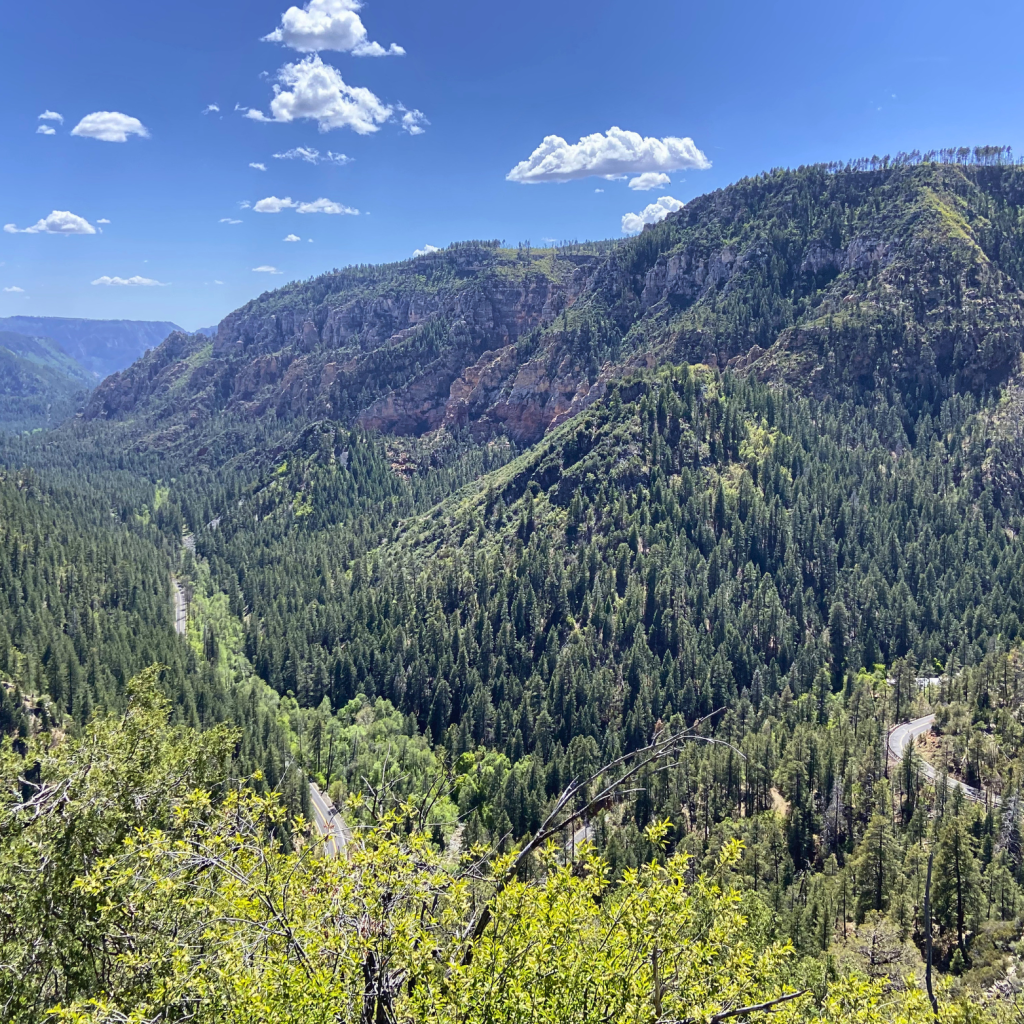
Silence but for the tapping of the cooling engine and the sound of waves— or maybe wind— blowing through pine needles.
Yellow lines under my feet— broken, then whole, then broken again, each piece looks like it's racing but I know better: resting.
Ahead, the road lifts.
Not much— just enough to take the next stretch out of view.
Driving, you don't notice how pretty the variation of black, gray, and blue after years of repaving.
You just keep going.
Inside the car you are listening, or talking, or thinking . . . anticipating, over the hill, onto the next stretch already laid out.
Standing here, the journey slows then stops.
Everything here knows one another and all is stable, but the wind and the clouds and the sun and moon and stars— but the road.
Each yellow line serves a purpose to guide to rightly divide . . . but also to watch to remember to enjoy?
It occurs to me in the middle of the road:
Trust in the Lord with all your heart, and do not lean on your own understanding. In all your ways acknowledge him, and he will make straight your paths.
No matter how fast or slow I move, God.
The road is the road.
The adventure— where I go— is up to You.
—Iris Lennox literary pen name of Jill Szoo Wilson
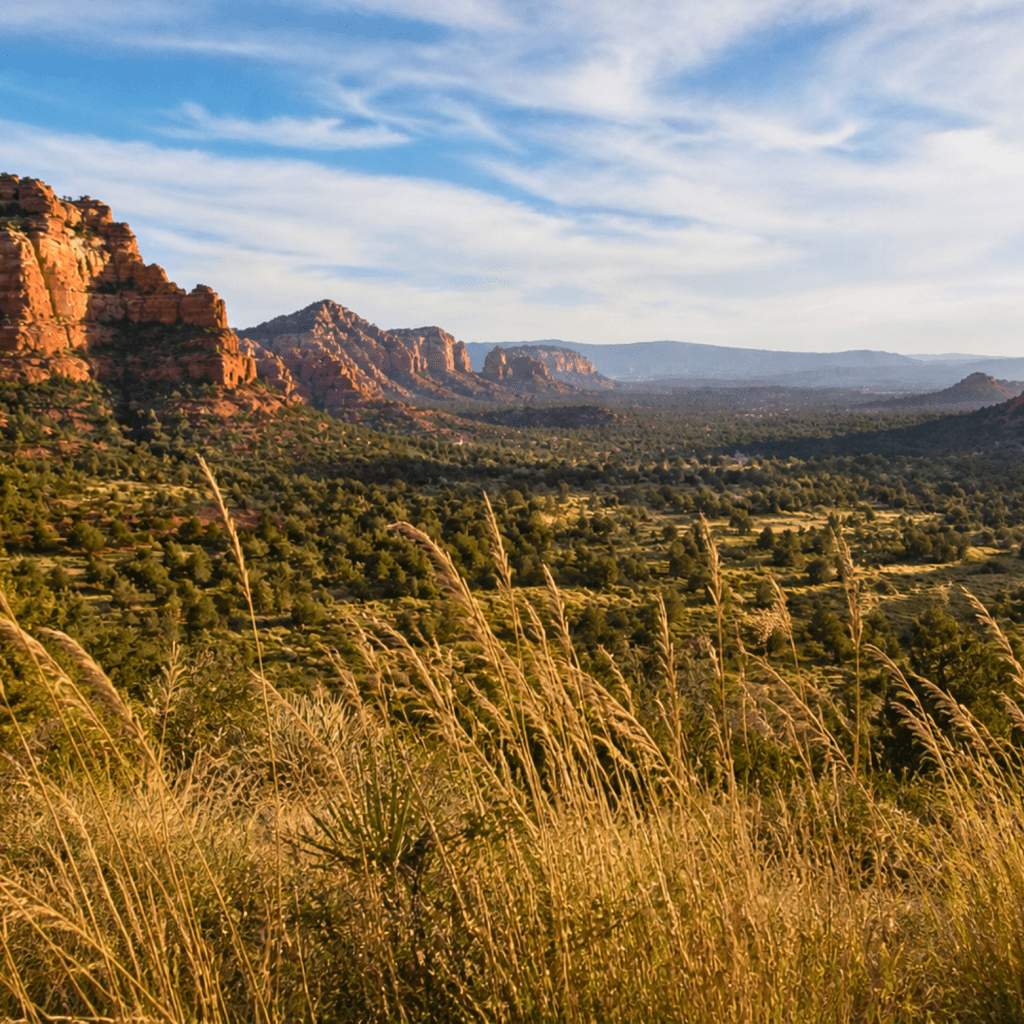
The photo is courtesy of Pixabay because my iPhone 12 didn’t quite cut it.
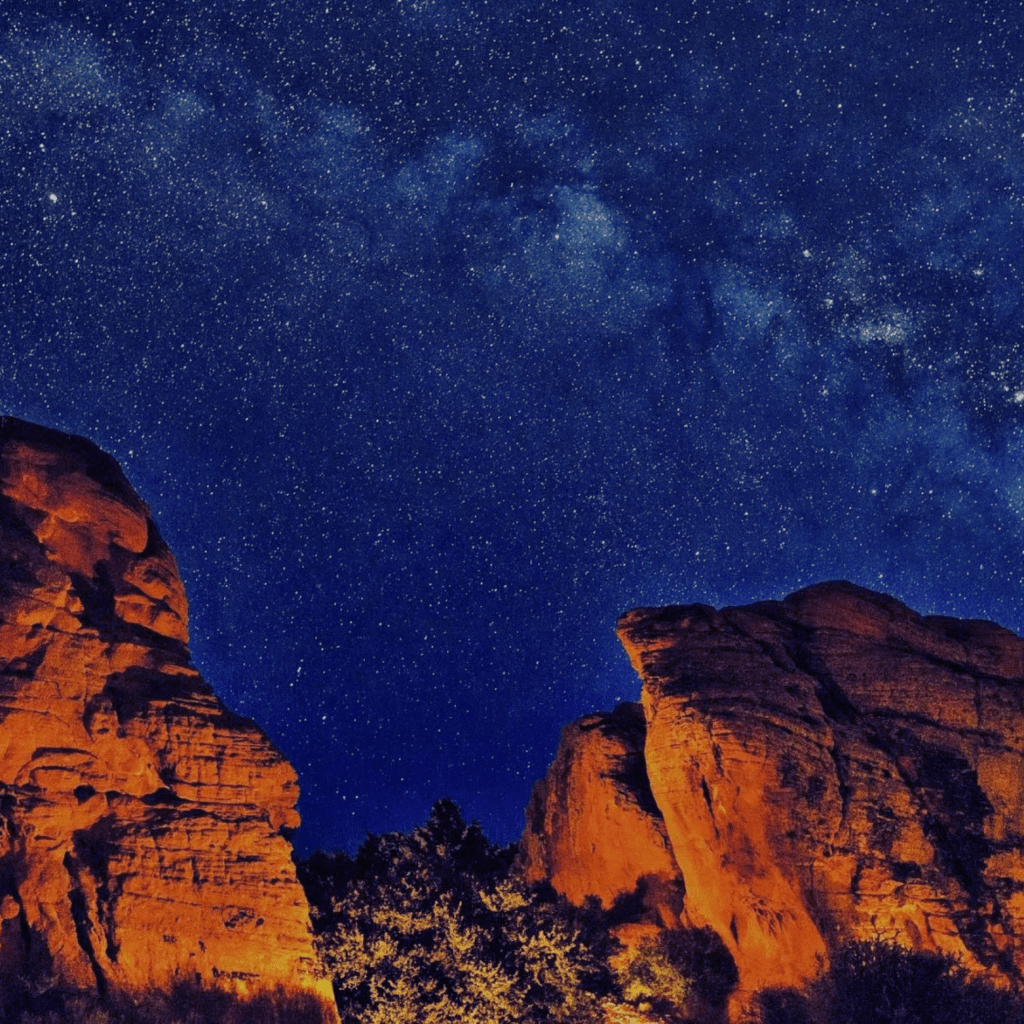
Night settles over the desert and the sky draws back like a curtain on opening night.
Stars peer from the wings and then enter from every direction— innumerable, but every one commanding attention.
I lay my head on my daypack no longer needed because . . . well, night . . . light arrives from distances I cannot measure, each point steady, each one burning fiercely but without sound.
Around me, the land falls into a hush that is greater than quiet— stillness.
Stone cools. Air thins. The last traces of what the sun gave rise from the ground and into the sky, probably trying to join in the celestial production.
Lucky.
Here we are in the chaos— for a time— but above, order.
Not scattered, not random, but placed.
Line after line, field after field, a vastness that neither moves toward me nor recedes.
Tightrope walkers, all of them. The theatre? Or a circus? None of my metaphors matter.
Every person stops— and you can understand why
why the eye lingers, why the body quiets, why the heart bends and breaks and mends and unfolds all in one inhale.
The sky doesn't look back. It doesn't need to. There is nothing we can give to it except wonder.
Brilliant, unreachable, unaffected.
And still— it draws.
The ground beneath me, the sky above me, the measure between them—
all set in order, all kept in place, all speaking without voice.
In the keeping of it, in the placing of each light and the distance between them, God gives:
what is set in the heavens and seen,
what fills the eye and commands attention—
and wonder— not as something given,
but as what rises in us at the sight of it,
returning, not to the sky above, but to the One who directs its course.
Ask the old ones. Not for stories— for dates, distances, what came first and what followed.
Has anything like this happened before?
A people hearing a voice from the middle of fire and continuing to breathe after the sentence ended.
Fire does one thing well. It finishes what it starts.
Yet there they stood, faces lit from below, listening to licks and flares carry meaning without turning kindling to ash.
Or this—
a nation taken out of another nation, not quietly, but with signs that carved faces and covered the sun, by a hand that did not hide itself, with a kind of persistence that left artifacts in places and on the skeletons that witnessed it.
Ask Egypt, if ruins could answer.
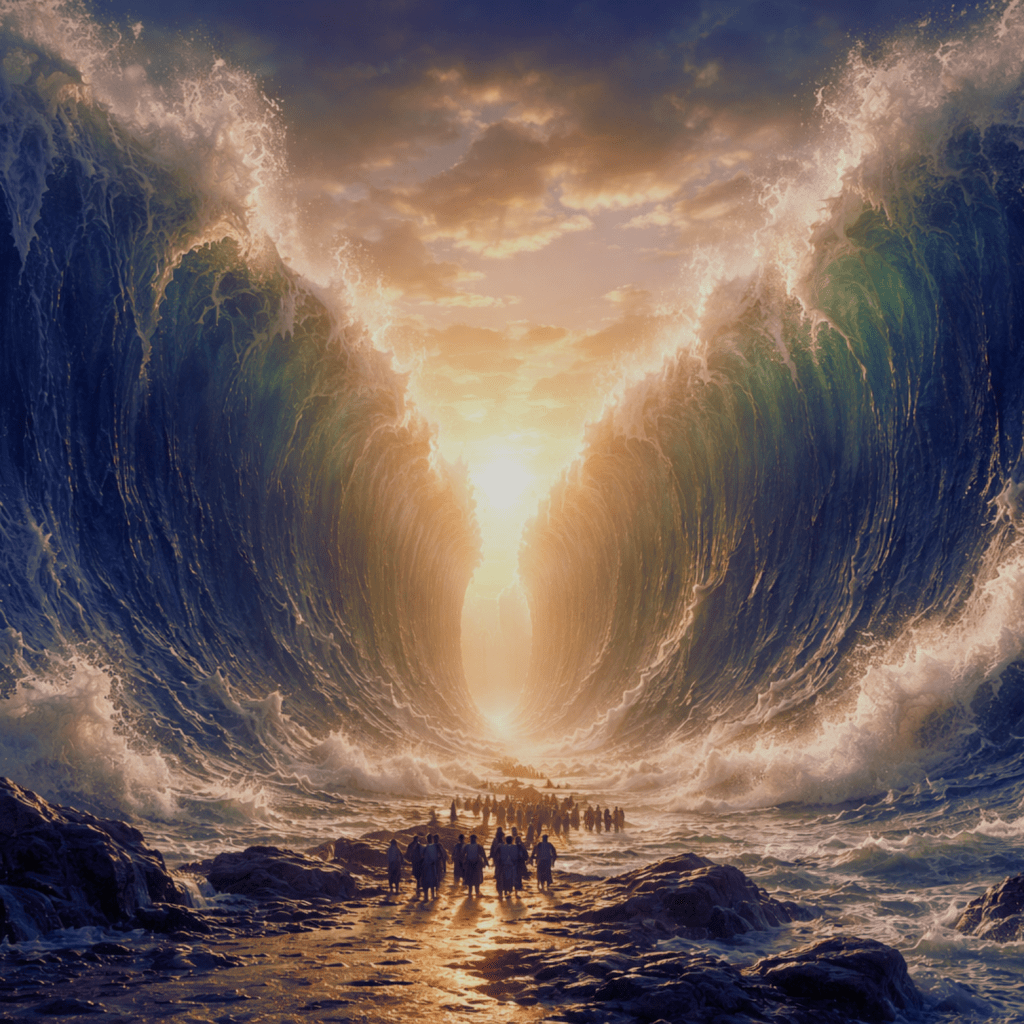
Ask the sea, which briefly agreed to try on the accoutrements of land and then returned to its original fashion.
They were shown these things so they would know— this is how the account records it.
Not suspect. Not wonder.
Know that the voice was not one among many, not a possibility, a debate between equally convincing objections.
Above, below— no second version waits to be discovered later.
This is the claim as it has been carried forward.
So they are told to keep it.
Not out of fear, though fear was present. Not out of habit, though habit will come.
Keep it so that when their children ask what happened in those days, they will not offer a softened account.
Tell them they heard something that should have undone them and did not.
Tell them they walked through what closed behind them.
 Iris Lennox