Tag: Everyday Life

  • And Then I Was


    “Wait a minute, I wasn’t done.”
    “You’re done,” he said.

    Well, he didn’t say it. But he moved it.

    The tone of the words he didn’t say
    echoed
    like a cowbell on a neck
    between two mountainsides.

    Back and forth
    and back and forth
    until one forth
    and no more back.

    And, “You’re done.”

    But silent.

    A slippery tear fell down.

    But tears never roll
    in a straight line.

    They zigzag
    from your heart to your eyes
    and echo
    like a horn blown inside a cave.

    He didn’t say it
    but he showed it.

    And his movement was stillness.

    Like a door
    closing
    before you reach it.

    “Wait for me, I want to sit down.”
    “You’re too slow,” he said.

    Well, he didn’t say it. But he stood it.

    Stood over it
    like a calculation
    he could see from above.

    The mechanics of his breathing
    echoed
    like the ticking of a clock
    dropped inside a hollowed pot.

    Up and down
    and up and down my heart
    filled up
    and one more down
    and down.

    And, “Go faster.”

    But slow.

    An emptying of all that was,
    scattered on the ground.

    The pieces
    drifted
    like leaves
    between trees.

    “Wait a minute, I wasn’t done.”
    “You’re done,” he said.

    And I was.

    —Iris Lennox
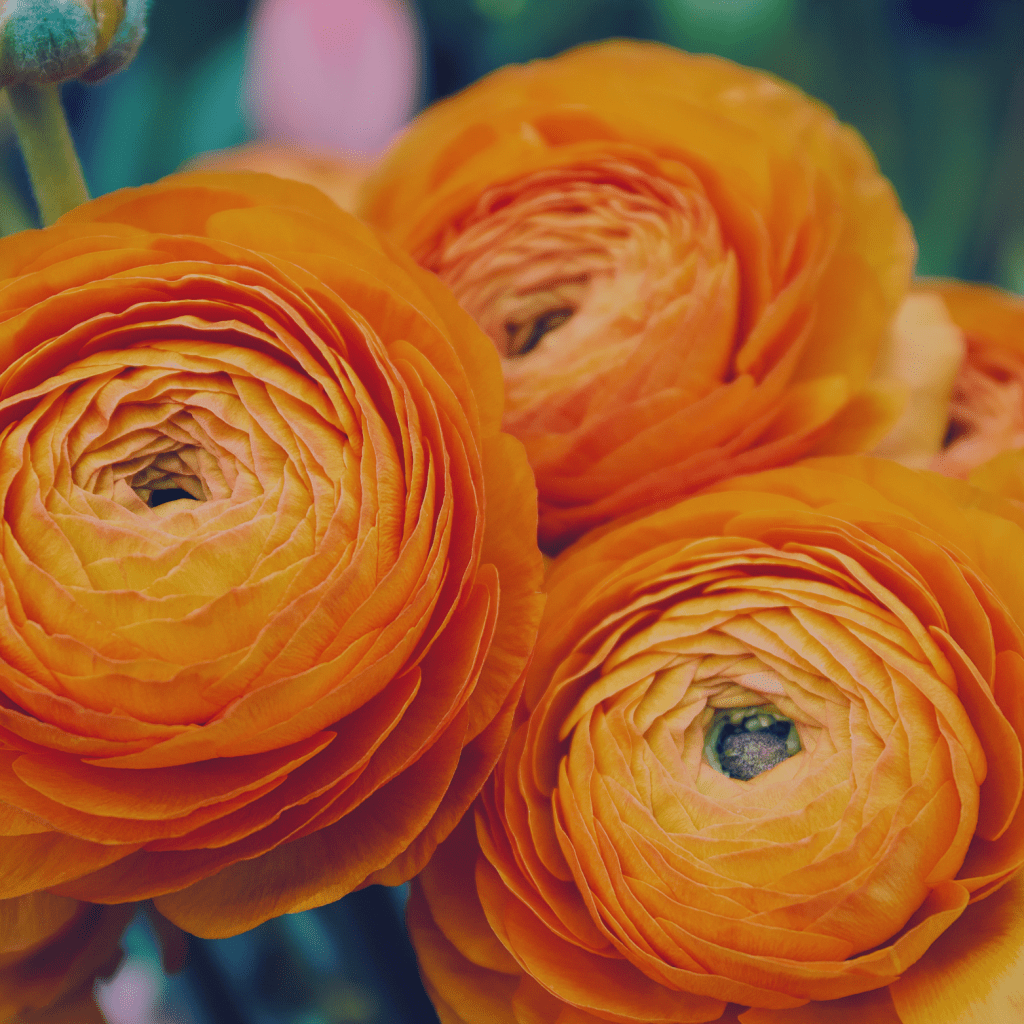
  • Ranunculus


    They say it’s a flower.

    And it is.

    Set in a glass jar on the table,
    stems cut at an angle,
    water rising just past the leaves.

    Still—

    what is it, exactly,
    that keeps arranging itself
    in this particular way?

    Petal beside petal,
    all with backs arched, stretching,
    yawning in fullness of sound,
    breath released.

    I would like to ask it
    when the first layer
    became the second.

    Whether there was a moment
    of decision—

    or whether it was inevitable.

    Look closely:

    one curve gathers light,
    another releases it,
    a third holds both
    in histrionic embrace.

    If you turn the jar,
    the color shifts.

    Orange, certainly.
    Yellow, also.
    Something between them
    that lights a cigar in the backroom
    and waits for you to come to the door.

    It would be tempting to say
    the center contains the answer.

    But then—

    why does each outer layer
    have its own beginning, middle,
    and end?

    Why does nothing collapse
    once the inside appears?

    Perhaps the truth behaves
    like this.

    Not hidden, exactly.

    Distributed.

    You could begin anywhere.

    Here, for instance—
    with the outermost petal,
    thin as it is,
    still holding its place.

    Or here—
    closer in,
    where the folds tighten
    without strangling away
    the once upon a time.

    Or here—
    where the color deepens
    just enough
    to suggest another version.

    Each would be accurate.

    Each would leave something out.

    There must have been
    a first unfolding.

    A moment
    when one surface
    made room for another.

    Or perhaps
    they arrived together,
    agreeing in advance
    to share the same space.

    A ranunculus is no children's book.

    Layer beside layer,
    each one present
    at the same time.

    And we,
    standing at the table,

    decide where to look first.

    — Iris Lennox
  • Orbit


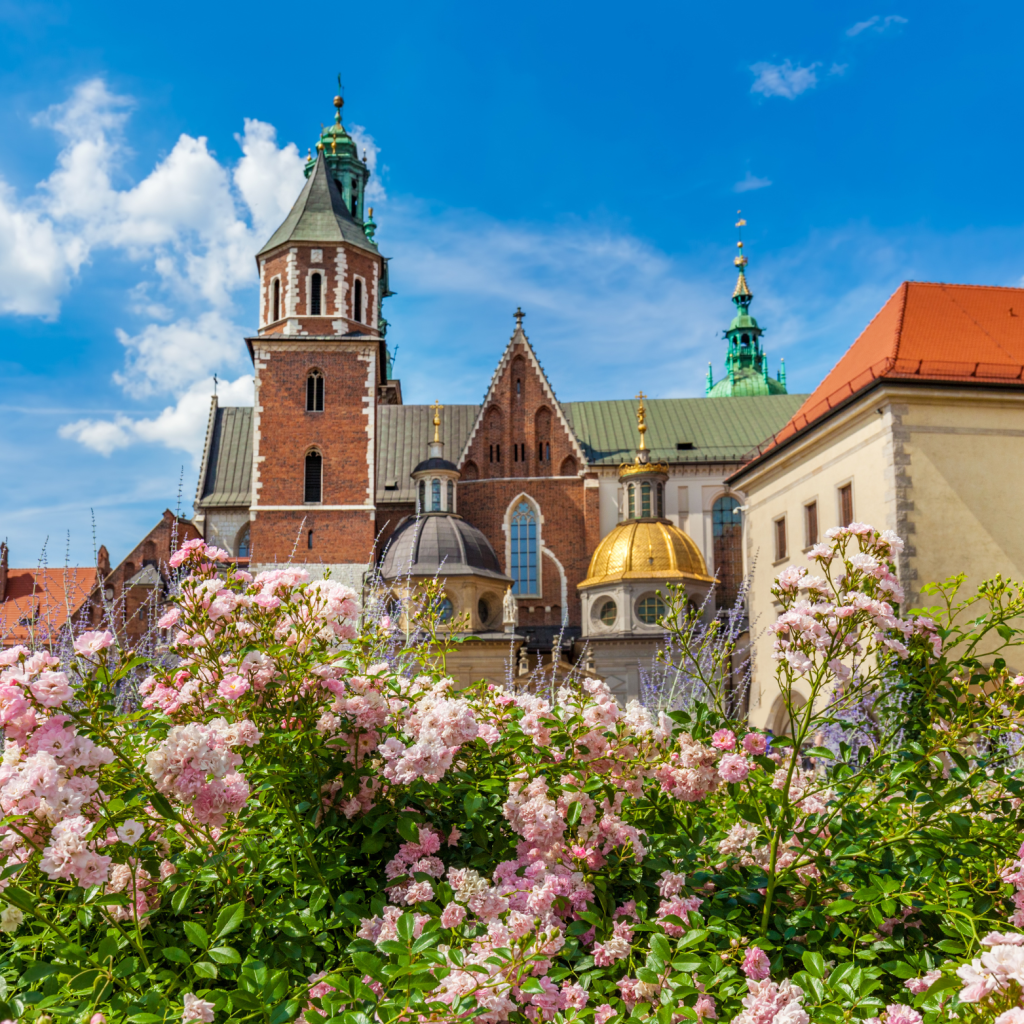
    In Krakow,
    under the mutual agreement of cobblestones and centuries,
    I stopped for lunch
    because hunger, like history,
    does not wait for proper context.

    A restaurant offering pierogi
    seemed more convincing
    than the Hard Rock Cafe,
    which had installed itself
    with great confidence
    in the wrong century.

    A young woman greeted me.

    Blond hair,
    a practiced smile,
    the unmistakable economy of someone
    who has already lived this day once before.

    We spoke.

    Nothing of consequence—
    which is to say,
    everything necessary.

    And then the thought arrived
    with equal parts whimsy and angst:

    why are our lives intersecting here?

    She will remain—
    serving, walking, returning,
    knowing which streets curve and where to her laundry.

    I will leave—
    to my kitchen,
    my coffee,
    my purple toothbrush,
    which performs its duties faithfully
    without ever asking where it is in the world.

    Meanwhile—

    each of us continues
    as the center of a system
    no telescope has fully mapped:

    families in orbit,
    memories in storage,
    songs that arrive unannounced,
    conversations that replay
    with slight editorial improvements.

    Entire infrastructures
    built without engineers.

    Whole histories
    proceeding without witnesses.

    We sit across from one another
    for less than an hour—
    long enough to exchange currency,
    not long enough to exchange lives.

    She brings the food.
    I thank her.

    This is recorded nowhere.

    And yet—

    somewhere in the vast accounting
    of everything that happens
    and is immediately forgotten,

    our meeting persists
    as a minor, precise event—

    like a crumb on a table,
    like a word almost remembered,
    like the brief and mutual illusion
    that we have interrupted each other’s lives.

    Meanwhile,
    her life continues in all directions.

    Mine does too.

    Both of us,
    at intervals,
    certain of our centrality.

    Both of us,
    entirely surrounded
    by things we will never know.

    —Iris Lennox

  • African Violets


    Despite the absence of any reliable signal—
    no drooping worthy of alarm, no crisping at the edges,
    no official declaration of thirst—
    the plant insists on requiring water
    at some precise and undisclosed moment.

    Its leaves offer only minor adjustments,
    a change so slight it could be attributed
    to lighting, mood, or coincidence—
    the kind of evidence that refuses to testify.

    And yet, water must be given.

    Too early, and the roots object in silence.
    Too late, and the same silence deepens,
    as though agreement had been reached
    without my participation.

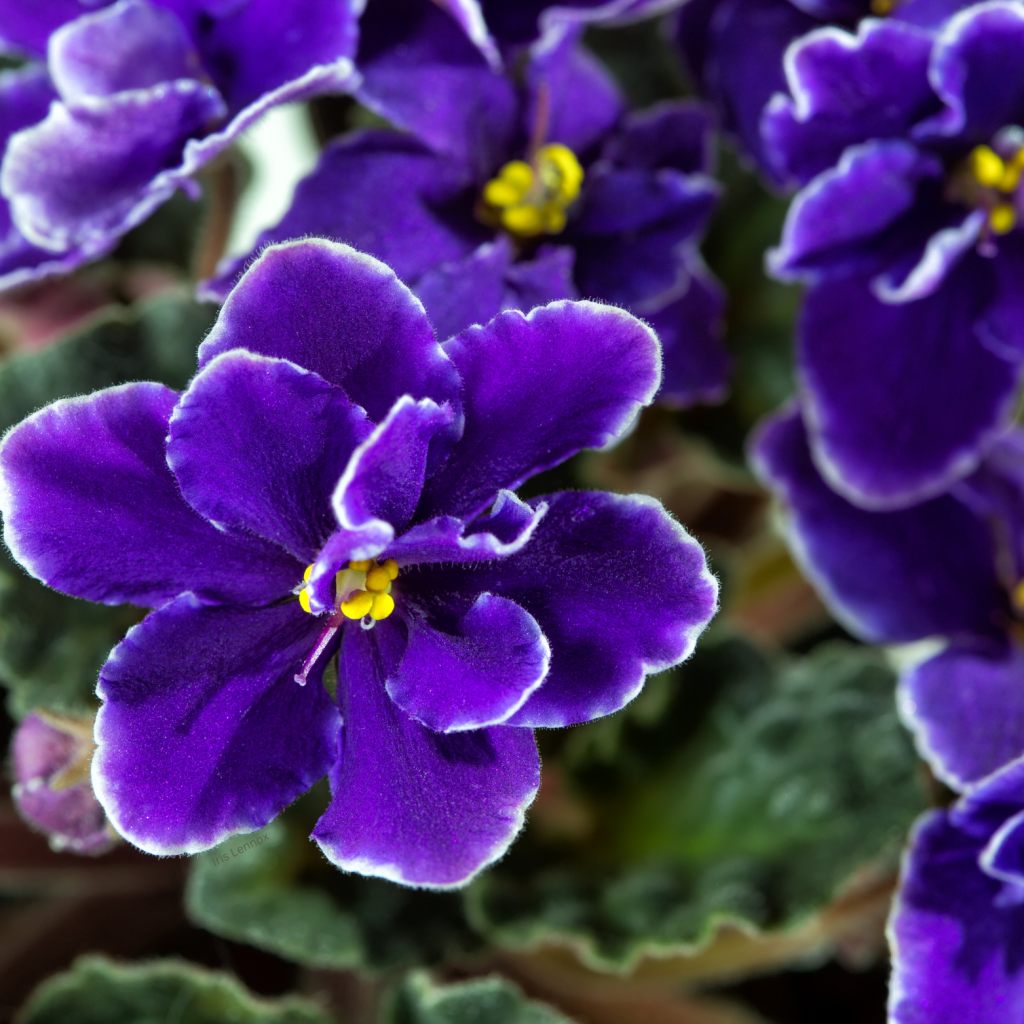
    The purple one presents no difficulty.
    Six blooms at once,
    as if it had already reviewed the conditions of the room
    and signed without revision.

    The pink one remains undecided.
    One bloom, paused indefinitely,
    neither withdrawn nor committed—
    a position I recognize.

    There are, apparently, forms of life
    that do not improve under observation.
    This complicates matters.

    My grandmother knew when to water them.
    Not through measurement, not by schedule,
    and certainly not by consulting the leaves for clarity.
    She stood near them, which was enough.

    I stand near them with coffee.
    Again with afternoon tea.

    The water disappears from the tray
    without acknowledgment or correction.
    No confirmation is issued.

    The purple one continues,
    untroubled by my involvement.

    The pink one—
    after a period of complete inaction,
    with no visible shift in circumstance—
    opens.

    —Iris Lennox
  • Noon or 1987


    Nostalgia is slippery
    like a water snake.
    One deliberate squeeze
    and there it went.

    Exit upon exit
    if you look at it.
    Look away,
    and beware it's return.

    A mower hums somewhere
    beyond the houses,
    a duet of humming and bass,
    moving through the air
    because afternoons
    have always sounded this way.

    A whisper of perfume
    passes—
    familiar, specific—
    caught for a second
    in the space between two steps.

    A child runs ahead,
    hair lifting and falling
    across her forehead,
    light moving with it,
    time carried in the motion
    like once
    before
    with a different name.

    The body looks at its wrist.
    What time is it—
    noon or
    1987?

    A recognition
    without language,
    already underway.

    Memory follows
    in pieces.

    You reach toward it—
    toward the full arrangement,
    the exact alignment
    of what it felt like
    to stand there.

    Who you were.
    Who they were.
    Where, again?
    And, why?

    Then
    without warning
    it arrives.

    Complete.
    Immediate.
    Undivided.

    Distance closes.
    The past takes its place
    inside the present,
    fully formed,
    in at least two of your senses.

    For a moment.

    Then it releases.

    You only have yourself
    to blame.

    Next time,
    look at it sideways.

    — Iris Lennox
  • Reading Past the Light


    I have to hold the book closer.

    Not because I need stronger reading glasses,
    though that may also be true.

    Just small adjustments,
    little by little,
    the words end up on my nose.

    Hello, words.

    I tilt the page toward the window,
    hoping there’s something to borrow.

    There isn’t.

    I keep reading anyway.

    It feels like I’ve stayed somewhere
    slightly longer than I was meant to,
    like a guest who hasn’t noticed
    everyone else has gone home.

    I look up.

    The room has already changed its mind—
    about me?
    About itself?
    The corners are gone.
    The floor is still there, I think.

    I don’t remember the light leaving.
    I only notice that it has.

    The book is still open in my hands.
    East of Eden, halfway through a sentence,
    continuing on without me,
    like a train speeding silently,
    and I am still on the platform.

    I could turn on the lamp.

    Way over there.

    I try to read one more sentence,
    but I think I’ve lost the plot.
    Who is “dknfihd,” anyway?

    —Iris Lennox

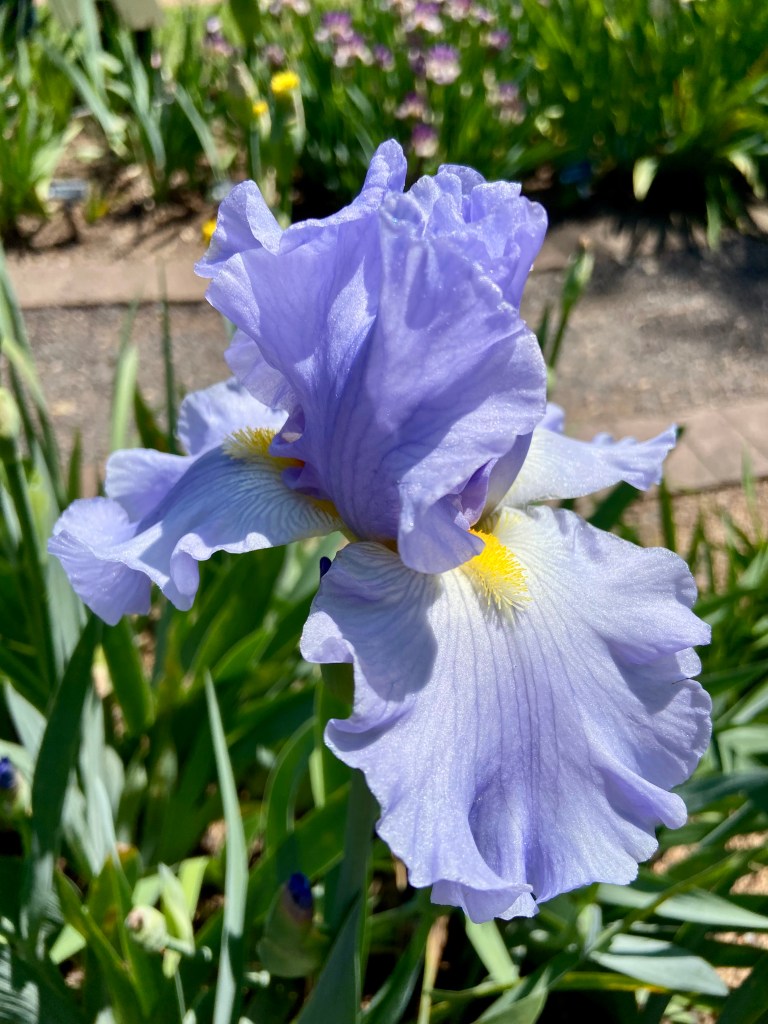
  • Namesake


    This one did not arrive gently.

    The edges remember something—
    a pressure,
    a folding back,
    as if each petal had to argue
    for its place in the light.

    Nothing about it is smooth.

    The ruffles hold.
    The color deepens where it was once hidden.
    Even the softness has weight to it.

    You could say it opened.

    But that would miss
    what it endured to become open.

    There are days
    the sky lowers itself without warning,
    and everything living is asked
    to stay.

    No explanation is offered.
    No promise of outcome.
    Just weather.

    Still, something in the root
    keeps drawing what it can.

    Still, something in the stem
    lifts what it has been given.

    And when it is finally visible—
    the pale, steady unfolding—
    no one sees the storms.

    Only the shape they left behind.

    Only the quiet fact
    that it did not close again.

    Only the way it stands
    as if the breaking of it
    was never the end.

    —Iris Lennox